
Slotegrator - Interview with Jashwant Patel
GCCans spoke with Jashwant Patel, Sales Manager at Slotegrator, about the technologies shaping online casinos. The conversation covered blockchain, virtual reality and other developments influencing innovation across the sector.


Q1.: Security is among the first concerns for anyone considering online gaming, and payment protection matters greatly. Blockchain is often associated with securing cryptocurrency transactions. How do you see blockchain’s role developing in the casino industry?
That’s an excellent question. Over the past couple of years, blockchain has grown rapidly as a way to make data harder to manipulate and easier to trace. We have also seen strong interest in payment options where privacy and security are priorities, including cryptocurrency. Operators and game providers are increasingly adopting crypto payments, and I expect them to become more familiar across online casinos. One appeal is that players can transact with greater privacy and security. Because decentralized blockchain transactions do not depend on a central bank or authority to oversee them, users may feel more confident about how their data is handled. Crypto payments can reduce the personal or location details shared during a gambling transaction, but that does not mean a player can gamble more. They may also make access possible in places where gambling is regulated, restricted or banned.
At present, a limited set of cryptocurrencies is commonly accepted; Bitcoin, Ethereum, and USTD are among the familiar options. Their considerable price volatility remains a drawback to weigh. As blockchain use spreads, Patel argues, casinos should consider technologies that could strengthen security, improve the experience and make transactions more transparent. He sees the technology as potentially convenient and perhaps a major development for casinos and other industries.
Q2.: Augmented reality and virtual reality are making online casino play feel increasingly lifelike. What effect might VR have on the future online casino experience?
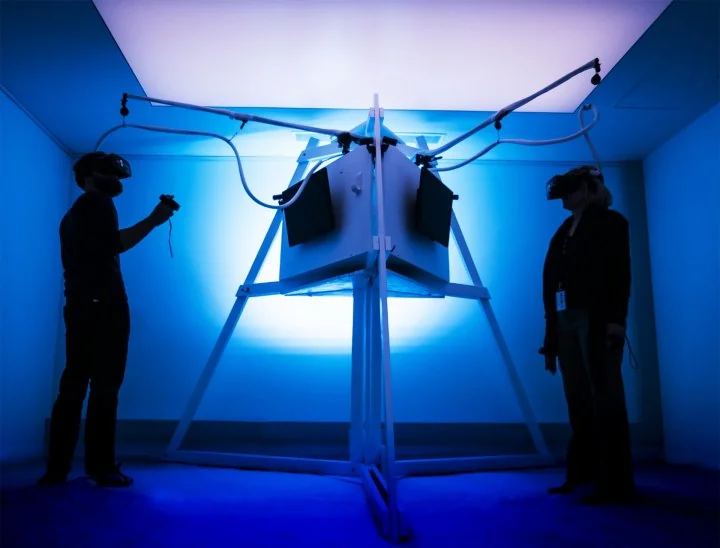
Recently, a colleague with experience in land-based casinos and I discussed the subject. Online play gives people the comfort of choosing where to play, which need not be at home, while the in-person social contact and physical atmosphere of a traditional casino remain distinctive. The pandemic helped drive the move online, and that change has encouraged companies in our industry to pursue new ideas and technologies. They are working to recreate some of that experience, and, in this highly competitive period, I expect them to make progress.
Technology is reshaping industries well beyond online gambling. Artificial intelligence has featured prominently in recent development, while augmented and virtual reality are attracting attention. These tools are influencing online play in casinos as well as experiences in other fields.
For online casinos, AR and VR are chiefly intended to improve the player experience. The Covid-19 pandemic accelerated the move from Brick and Mortar venues to online casinos, where operators retained many people who could play from home. VR can create a 3D setting resembling a casino, with opportunities to interact with dealers and other players, or even enjoy the appearance of having a drink. The drink, of course, is virtual.
AR can serve a related purpose by displaying details for players, such as jackpots, casino features, bonuses, promotions and statistics. The technology is still advancing, including as a possible extension for Brick and Mortar casino operators.
VR and AR have promising uses, Patel says, though several obstacles could slow their wider adoption.
Dedicated headsets are needed, and their cost may put them beyond some users, limiting interest across certain regions and audiences. Both technologies are publicly available, but currently on a smaller scale, largely for entertainment. A fully functional option would need broad testing to assess whether it can scale.
In online casinos and gambling, the technology was introduced only a couple of years ago, Patel says. It may encounter early-stage problems as it matures before becoming fully functional for a larger audience.
Other practical factors also matter. Some regions have less developed technology infrastructure or weaker internet access than developed countries, and not every portable device can support demanding streaming. Patel also points to the target audience’s age: businesses should consider user experience and interface design, and make products approachable for people who are less comfortable with technology or in the higher age group of 50 . Those choices can help make a product sustainable.
Players, operators and investors have shown considerable interest, but Patel expects broad acceptance in online casinos to take time.
Q3.: Cloud computing helps casinos manage storage and databases. Do you see it as a lasting solution, and can it affect the gaming experience?
Cloud computing is another notable technology shift. Patel compares it with the move from physical casinos to online operations. It offers advantages, but emerging technologies also bring unfamiliar risks and challenges that may take time to resolve.
The 1st benefit is the potential to reduce operating costs: a business may not need to employ an entire IT team to manage its own computing infrastructure. Cloud providers take responsibility for that infrastructure, and outsourcing can save funds. Depending on the arrangement, the price may also cover hardware, software and upgrades.
Cloud services also give businesses room to respond as operational needs and player demand change. Instead of spending as much time managing an IT department, a casino can focus on its core processes. Infrastructure can be scaled up or down quickly without rebuilding the internal setup. Patel sees this as a good fit for online casinos, with providers responsible for keeping technology current and casinos better placed to deliver a high-quality gaming experience.
Cloud computing can also let a company and its clients work on the same file at the same time, with access from different parts of the world.
Compared with in-house IT infrastructure, which can go offline for reasons ranging from power cuts to other accidents, cloud services may offer greater reliability.
With an internet connection, cloud-stored data can be reached from different locations, supporting more flexible data management. Casinos rely on processing information quickly. Data collected over time can help operators study patterns and tailor the experience with game suggestions, offers, promotions and loyalty rewards.
Even when providers apply strong security standards, placing critical business files in the cloud can expose them to theft or loss, account hacking, insecure APIs and interface vulnerabilities. The level of risk depends partly on the service provider, so Patel says selecting a reputable partner can help reduce it. Established cloud providers use security measures intended to protect casino data.
Patel sees cloud computing as a rapidly developing technology with potential to improve casino play. Used thoughtfully, data can also help operators make stronger business decisions and compete more effectively.
Q4.: Mobile Casinos now offer gaming capabilities that once seemed out of reach. Where could the mobile experience go next?
Cloud computing supports mobile gaming, and its progress has made smoother play on phones and other mobile devices easier to deliver. After the Covid-19, many players moved to online casinos, often using smartphones or other mobile devices. Casinos have responded with apps, though many also provide a mobile version of their desktop site. Patel notes that AR and VR remain difficult to develop and popularize in developing or underdeveloped countries. Casinos need to shape the experience around their audiences: the user interface and journey from arriving at a site to placing a first bet or requesting a withdrawal can make a real difference. A feature-heavy site that works in Europe could struggle in Africa, where device capability and internet access may differ. Simplifying the process, for example through AI and a Telegram casino in places where players lack substantial bandwidth or an advanced phone, could make gaming easier to access.
For the future, Patel sees AI as a major opportunity. He expects the industry to apply it to casino operations, reduce costs and create a more natural-feeling casino experience.
Q5.: Telegram is another technology that might once have seemed an unlikely fit for casinos. It offers a quick mobile route to games. What else would you add about it?

We are pleased with the way Telegram Casino helps our clients improve the player experience. Users do not need to download casino apps from marketplaces, and territory restrictions do not matter as well. Telegram Casino addresses these challenges and is highly accessible. It can work as an extension of a desktop site within the Telegram app, or as a standalone Telegram casino connected to the client’s platform, with the player and casino interacting through a bot. Games, deposits, withdrawals and verification are handled through the Telegram browser, bringing the user experience and interface together. The player can open the messenger on a phone and start playing.
Q6.: Live dealer games are among the first technologies that come to mind in casinos. We have seen live dealers share games with familiar slot characters such as Gonzo. What might come next for live dealers?

That is right. Following a merger involving live-stream gaming companies such as Evolution Gaming and digital content provider Netent, the market soon saw a title such as Gonzo Treasure Hunt. Patel believes VR could be the next step for live dealer games, which remain a popular choice with casino players, including Roulette and Blackjack. Combining VR with live dealers could create a more immersive experience from a player’s chosen location, whether at home, work, the gym or wherever a device is within reach.
Q7.: Is there anything you would like to add about online casino technology today and in the future?
Over the past couple of years, including during the pandemic, online gambling has developed quickly and adopted new technology at a rapid pace. Patel describes a bright outlook for the sector, as traditional casino operators shift toward online versions of their brands. Interactive gaming systems and smartwatch features are among the developments being explored. He says the period is exciting for players, who have more variety in games, and for developers creating content and technology. The sector also provides jobs for a wide range of specialists and supports economies. At Slotegrator, he adds, the team works each day to develop new ideas and deliver products and solutions for the iGaming industry.
With 12+ years of experience in the iGaming industry, Evan specializes in reviewing online casinos, analyzing slot games, and evaluating player safety. Their expertise covers casino licensing, RTP, volatility, bonus conditions, and withdrawal policies. Through hands-on testing and independent research, Evan delivers transparent, fact-based reviews to help players better understand gambling platforms, their features, and potential risks.