
Understanding Slot Paytables: A Comprehensive Guide
Early slot machines were straightforward to follow. Most used a simple 3-reel and 1-payline setup with only a small selection of symbols. Usually, a player needed three matching symbols across the payline to collect a payout. Since there was so little information to show, many machines displayed the pay table directly on the main screen.
Modern slot games and online casinos have changed considerably. Today’s titles may combine numerous special symbols, inventive reel mechanics and bonus features throughout the games found in casino lobbies. Those additions can make play more engaging, but they can also make the rules harder to follow. Reading the slot paytable is therefore more useful than ever.
What is a Slot Machine Paytable?
A slot paytable is the main information source for any slot machine game offered at a land-based or online casino.
It explains what players need to know about the game, including how it operates, the symbols and their payouts, bonus rounds, winning combinations, betting requirements, volatility, RTP and more.
Knowing how to read a slot paytable supports a more informed and enjoyable gaming session.
The pay table screen contains important information about:
- The slot’s rules
- Slot features
- Betting limits
- Paylines
- Symbol payouts
- Bonus features
- Jackpots
- Betting requirements
- Volatility
- RTP
Put simply, the paytable brings together the information needed to understand how a slot works, plays and pays. It helps players decide whether the mechanics, volatility and potential payouts suit their preferences.
Paytables can also set out the rules, show simulated spins and illustrate winning combinations, giving players a clearer idea of what the game may do.
The Common Slot Paytable Layout
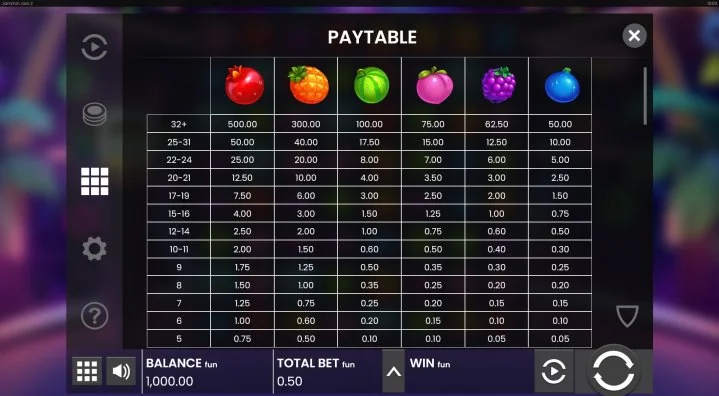
Although individual layouts differ between modern online slots and tables, many games use a familiar format for presenting their key information.
Common pay table sections include:
- Symbols and Payline Patterns: Every slot paytable identifies the symbols appearing on its reels. This normally covers ordinary high- and low-value symbols as well as special symbols, including Wilds and Scatters. It also explains the available payline patterns and how symbols need to align to make a winning combination.
- Payouts for Symbol Combinations: Alongside the symbols used in the game, the paytable shows what a winning combination may pay. Values can be shown as a multiplier of the stake or as a specific amount based on the current wager. When amounts are stake-based, the displayed figures change as the wager per spin changes.
- Jackpot Information: For games with fixed jackpots, the paytable states the relevant prize amount. Progressive jackpot games instead show a running total that can rise as wagers are placed.
- Volatility and RTP: Volatility describes the risk profile of a slot, while RTP, or return to player, gives the theoretical average payout rate over a long period. Together, these measures indicate how frequently wins may occur and how large they may be, without predicting an individual result.
- Bonus Features and Free Spins: The paytable explains features such as bonus rounds, bonus symbols, free spins and multipliers, along with the conditions for activating them. It may also outline the potential payouts associated with those features.
Slot Symbols - What They Pay and What They Do
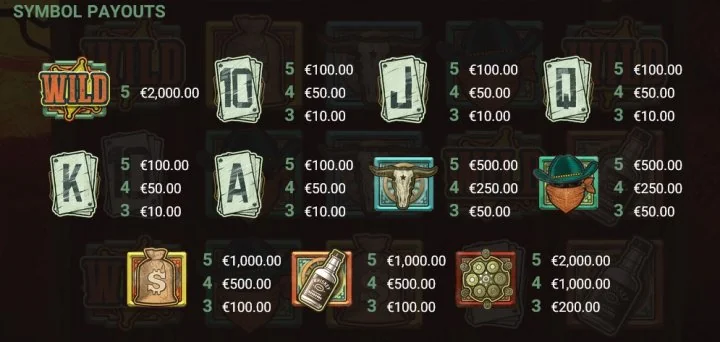
One of the paytable’s central purposes is showing what each symbol can pay. Symbols form the foundation of the slot’s gameplay and are generally grouped according to their role and importance:
- High-Paying Symbols: Also known as premium symbols, these icons usually offer the largest payouts when they form winning combinations. They tend to appear less often and carry greater value. Typical examples include 7s, bars, gems and money bags.
- Low-paying symbols: These are often familiar card-suit symbols such as Aces, Kings, Queens and Jacks. They appear more frequently, but their potential payouts are generally lower.
- Special Symbols: Older machines often relied on a small number of special symbols, such as the Wild, which substitutes for other symbols. Modern games can include many more varieties. The paytable explains what Scatter symbols, Bonus symbols and other special symbols do when they land on the reels.
Slot symbols have developed in appearance and animation to match modern online themes. Their core functions, however, still fit the familiar categories. Players should identify the symbols that affect combinations and potential value.
Understanding Payline Patterns in Pay Tables

Traditional Classic Slots used a single horizontal payline across the centre reel. The growth of video slots introduced multiple paylines and encouraged more creative designs. Older classics may have 1-5 paylines, while modern slots can offer 25-100 paylines, including patterns that cross reels vertically or diagonally.
The paytable identifies each available payline and uses diagrams to show its pattern. Some guidance recommends wagering on the maximum number of lines for more active play and more chances to activate features, but this does not guarantee a win and increases the total stake when applicable. By showing the symbols and explaining how paylines create wins, the paytable helps players understand the game’s value drivers.
No Pay Line Slots
Some slots, including Megaways, Ways-to-Win and Cluster Pays, do not use traditional paylines. 'Pay Anywhere' games are also becoming more popular.
Features and Bonuses in Slot Paytables
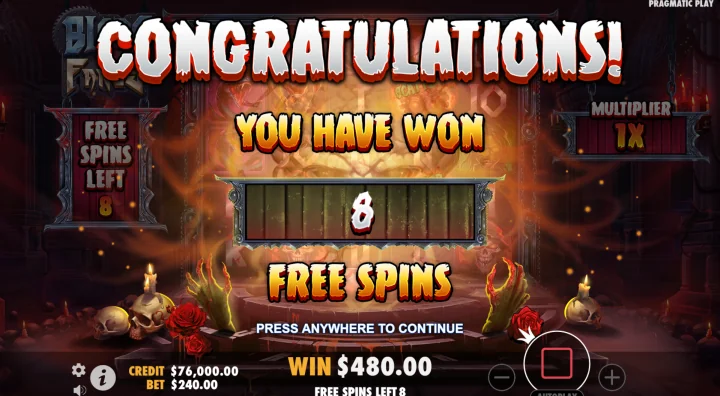
Beyond standard spins, slot games use features and bonuses to add interaction, variety and different ways to form wins. The paytable should explain how each one operates.
Common bonus types and innovative features that can add variety to gameplay include:
- Free Spins: Landing Scatter symbols on an online slot can trigger 5-15 free spins. Payouts may also receive a multiplier during the feature. In some games, other symbols can award free spins at random.
- Cascading Reels: Winning symbols disappear from the relevant positions, allowing the remaining symbols to collapse and new symbols to enter. This can create additional wins from the same spin without using the free-spins feature.
- Win Multipliers: Bonus features such as free games may apply a 2x/3x multiplier to symbol payouts, increasing the possible return from that round. Wild symbols that land may also apply a multiplier randomly, depending on the game’s rules.
- Expanding Wilds: When specified Wild symbols land, they can expand across the full height of a reel or across additional reels. This may create more ways to form winning combinations.
- Walking Wilds: These Wilds land on the reels and move across them on later spins until the feature ends. While active, they substitute for other symbols according to the stated rules.
- Unlock Bonus Game: Meeting conditions such as landing Scatter symbols can open a bonus event. The game may describe payouts as available within that event, but the applicable rules determine whether and how a player receives one.
Features are not the same in every slot, so it is important to read the details that apply before playing online slots or slot machines.
Jackpots in Pay Tables
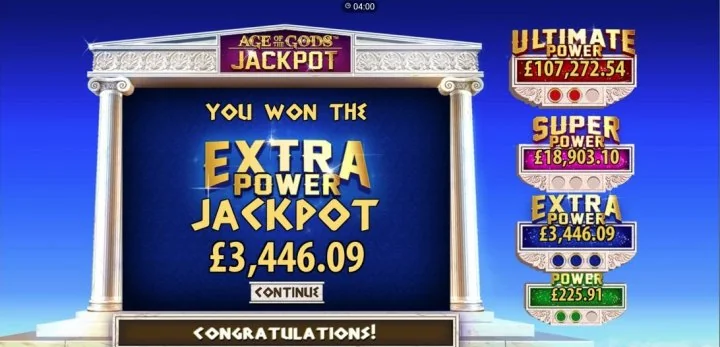
Some video slots include a jackpot opportunity, but the jackpot category affects how it works. In general, players may encounter two main types:
- Fixed Jackpots: A slot may award a set prize when its stated conditions are met, or it may offer a prize based on a multiplier of the bet that triggered the bonus.
- Progressive Jackpots: These begin at a base amount and can increase through a percentage of wagers placed, creating a growing prize. A qualifying trigger may award the jackpot according to the game’s rules.
Gauging Volatility and Return Metrics
Volatility, also called variance, describes a slot’s risk profile by considering the size and frequency of its payouts.
Most slot paytables place variance into categories such as:
- Low
- Low-Medium
- Medium
- Medium-High
- High
- Very High
Low volatility is generally associated with smaller, more frequent payouts. As volatility rises, the potential risk and reward profile changes, with high-volatility slots tending to offer larger but less frequent payouts. These labels do not predict the outcome of a particular spin.
The Importance of RTP
RTP stands for Return to Player. It represents the percentage of total bets that a slot is statistically expected to return as winnings over an extended period. A 96% RTP means the theoretical average payout is 96% of total bets, not a guaranteed result for a single player or session.
Many paytables now publish an RTP figure, although its presence does not predict short-term results. A high RTP, such as 96-97%, describes the long-run theoretical return rather than a promise of profit. Alongside volatility and RTP, the paytable gives players information to compare with their preferred style of play and payout expectations.
Bet Sizing and Requirements
The main game screen may show bet sizes, but the paytable can also state the minimum and maximum wager permitted per spin. A lower minimum may suit casual play with a smaller bankroll, while the absence of a stated limit can allow larger wagers and greater exposure. The selected bet multiplied across the chosen paylines determines the total cost of a spin.
Key Aspects to Note When Using Slot Machine Pay Tables
Exploring different slot types can build familiarity with their layouts and mechanics, but each game still needs to be read on its own terms.
It is useful to keep fundamental points in mind, including:
- Recognising symbols early, including special symbols worth watching
- Checking the requirements for activating important features
- Understanding volatility and RTP before playing
- Connecting the selected bets with jackpot or bonus requirements
- Learning unfamiliar game mechanics before relying on them
How to Read Slot Pay Tables in a Nutshell
Before starting any casino game, open its paytable or rules page. It provides the information needed to understand the symbols, features, winning conditions and payouts, making the game easier to follow than pressing spin without knowing what its mechanics mean.